Literacy
Literacy Learning Across the School
Literacy Understandings F-6
Reading and Viewing F-2
Students engage in a variety of texts for enjoyment. They read and view written and multimodal texts designed to entertain but also to inform and persuade. By year 2, students understand how similar texts share characteristics by identifying text structures and language features.
Students read texts that contain varied sentence structures, some unfamiliar vocabulary, a significant number of high-frequency sight words and images that provide additional information.
Reading and Viewing 3-6
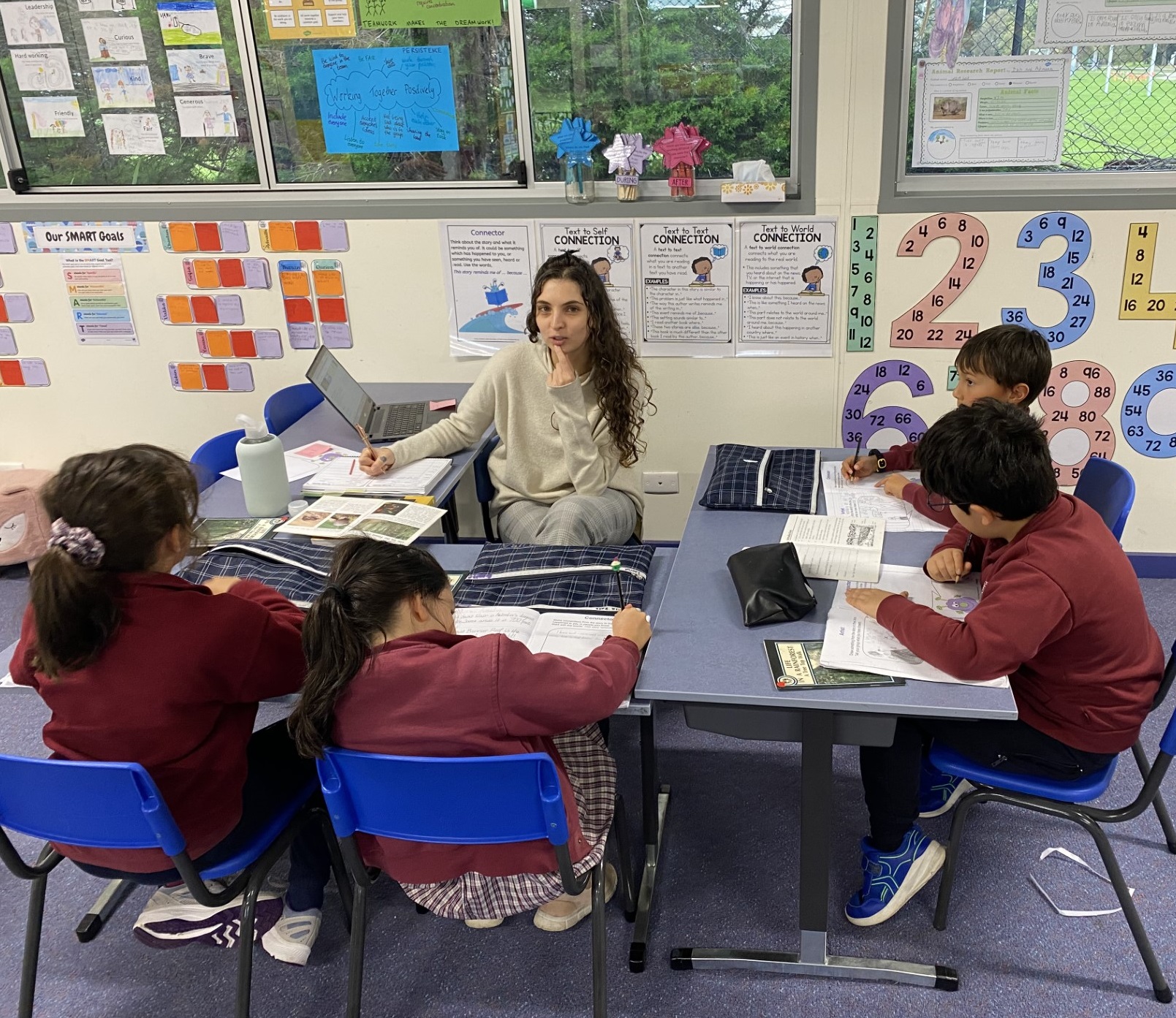
Students read and view written and multimodal texts with primarily aesthetic purposes as well as texts designed to inform and persuade. They explain how text structures assist in understanding the text and learn to understand how language features, images and vocabulary influence interpretations of events.
Our students analyse and explain literal and implied information from a variety of texts and explain their responses to them.
Literacy Understandings F-6
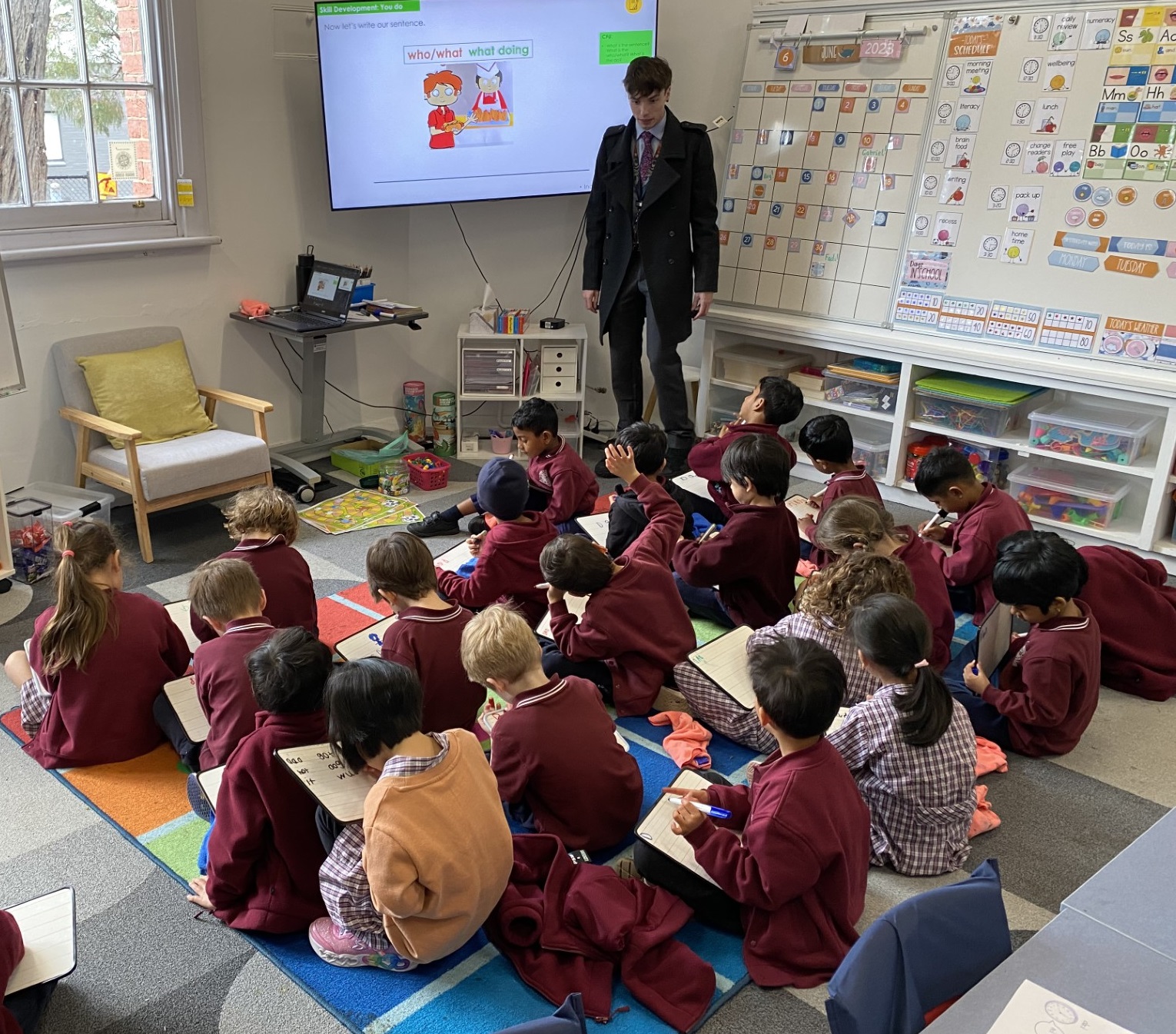
Writing F-2
Students at this level progress with the written word quite rapidly. Young students create short texts using symbols, letters and words, reviewing their own text and additionally copy and write letters, symbols and numbers.
Students then create short imaginative and informative texts that show emerging use of appropriate text structure, sentence level grammar, word choice, spelling and punctuation.
Writing 3-6
Students at this level will move towards planning, drafting and publishing informative and persuasive texts demonstrating increasing control over selecting print and elements appropriate to the audience and purpose.
Students will re-read and edit texts for meaning, structure grammatical choices and punctuation. They use a range of software including word processing programs to construct written text and select, edit and place visual, print and audio elements.
Tutor Learning Program
Highlights of the GHPS Literacy Program
- Use of quality Mentor Texts and Home Reading resources to support reading/writing focus lessons
- Treehouse Reading Intervention Program
- MiniLit Phonics Support Program
- Dedicated Library/Research Teacher/Area
- Detailed Instructional Model for Literacy
- Continual high gains in NAPLAN results (Reading and Viewing/Writing)
- Participation in the research-based Seven Steps to Writing Success program